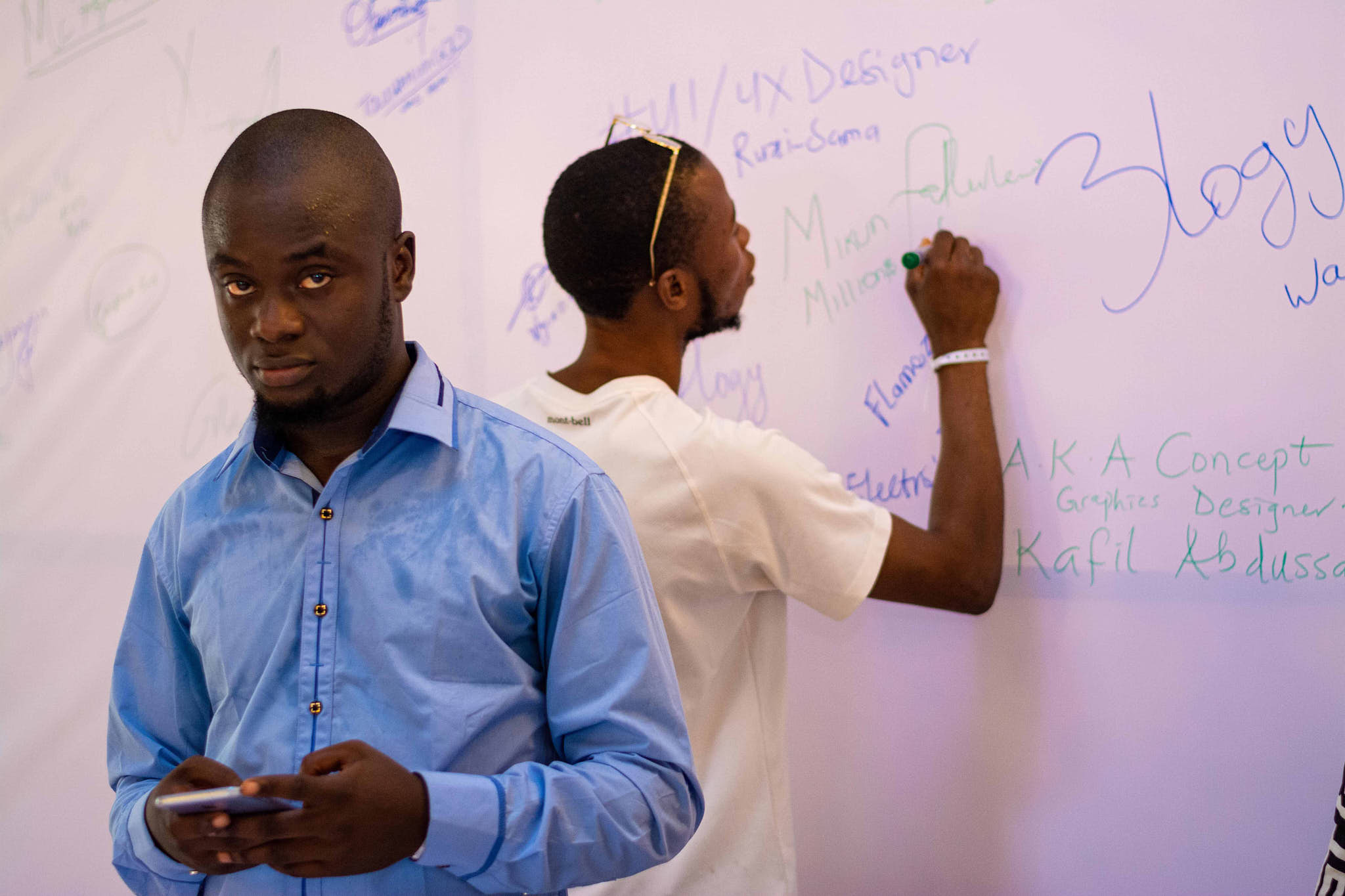
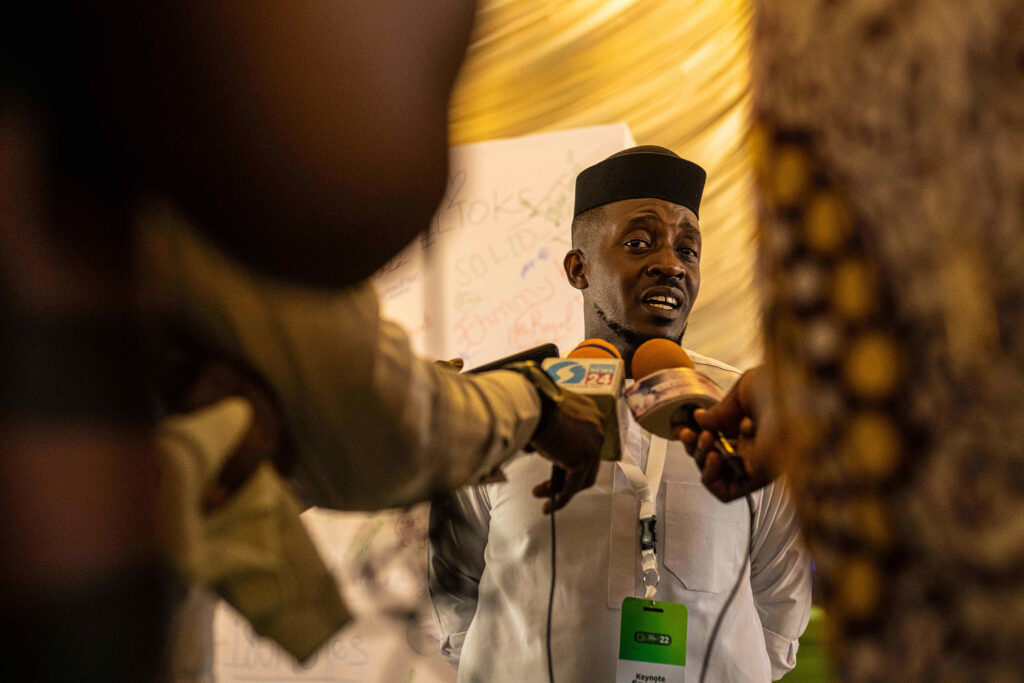
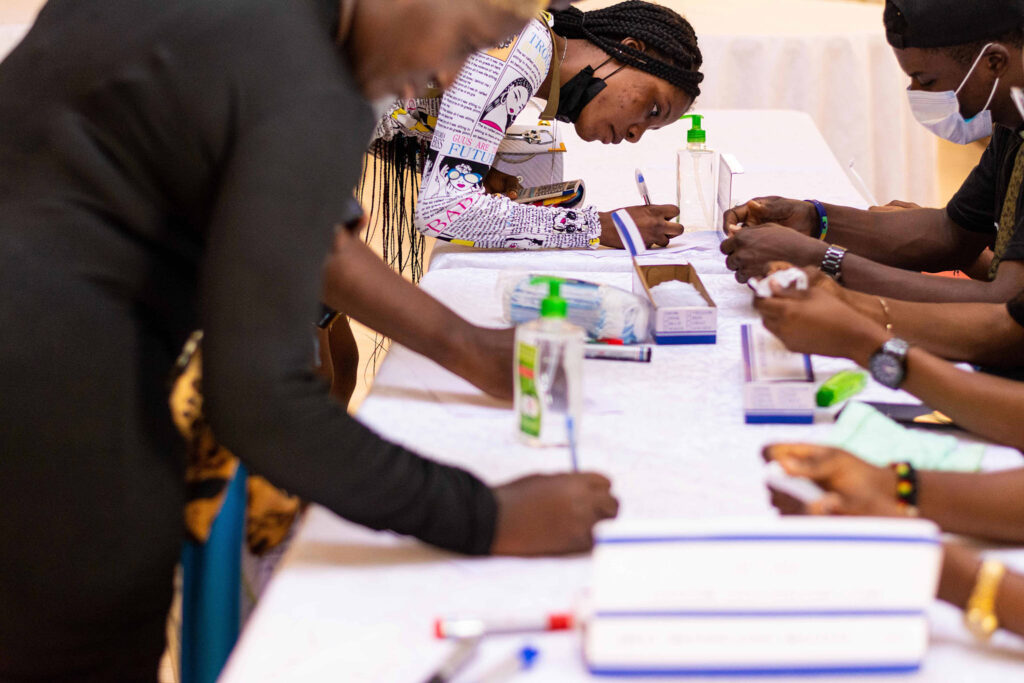
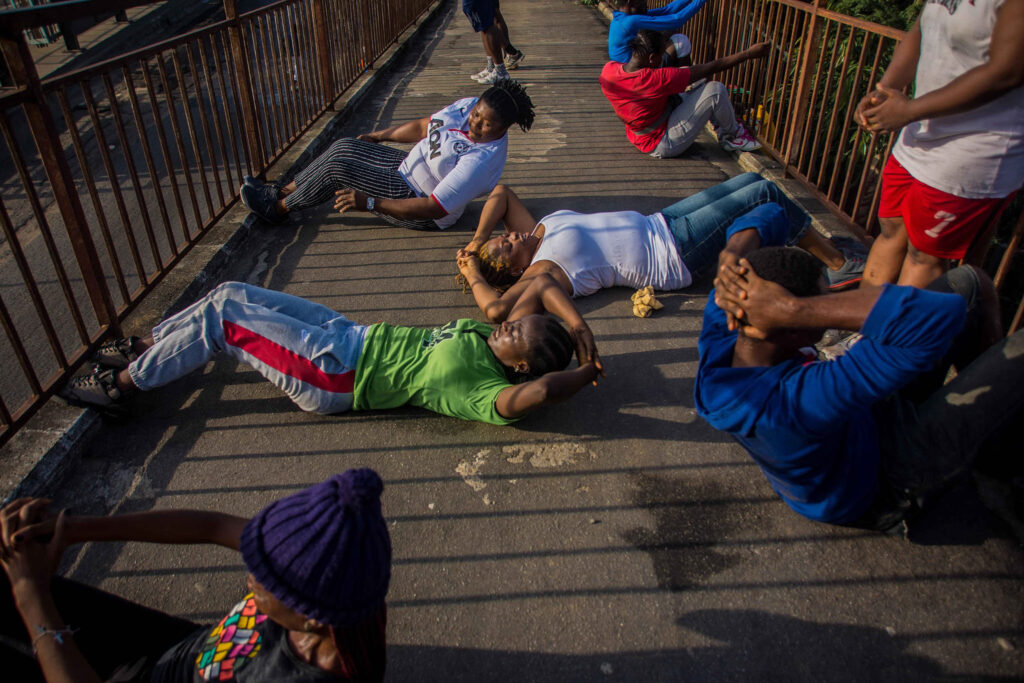
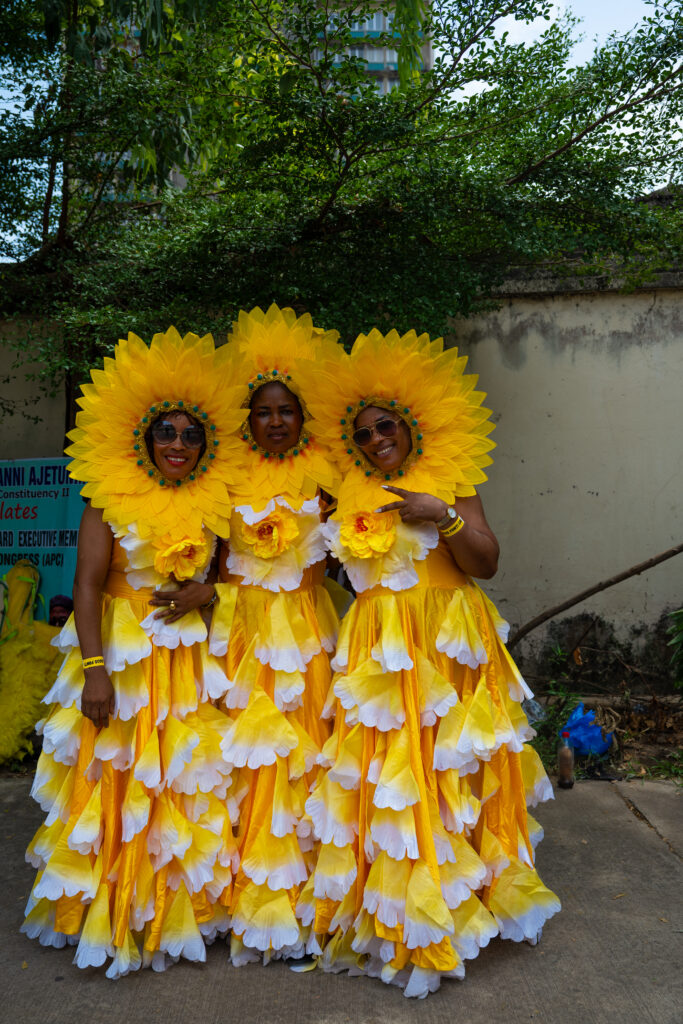
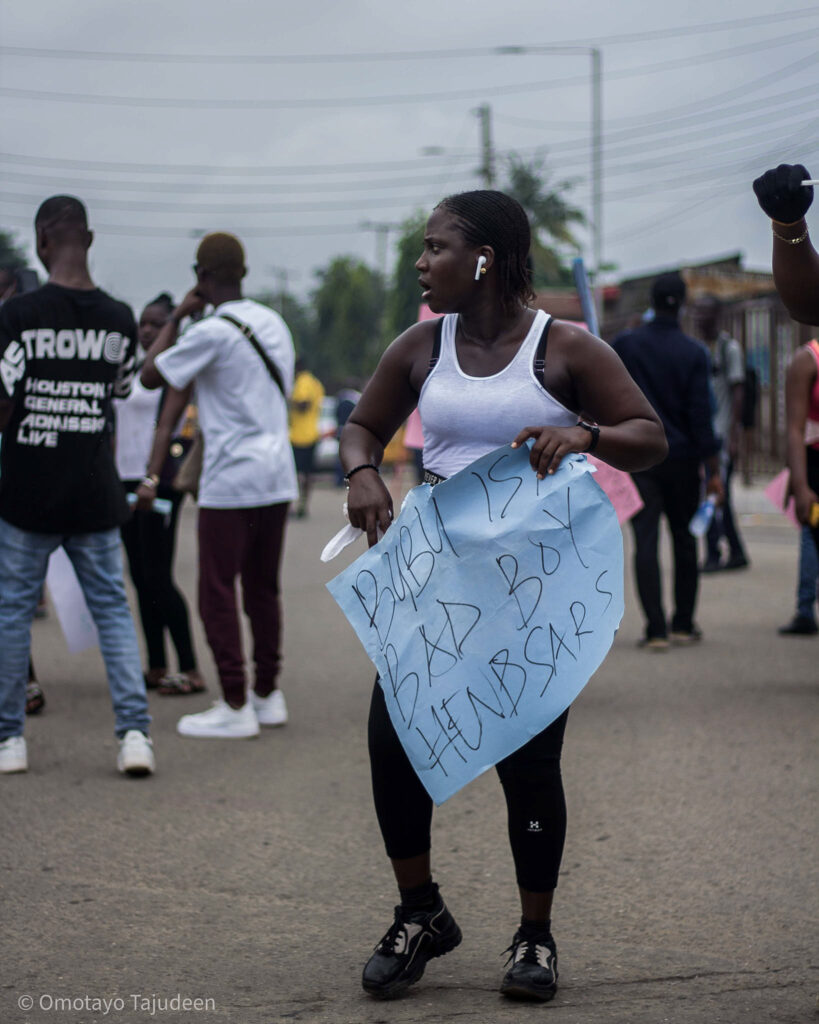
Documentary photography trains you to pay attention. When you’re working in real environments, whether it’s on the street, at a public event or inside someone’s daily routine, moments appear without warning. There is no opportunity to repeat them or ask people to start again.
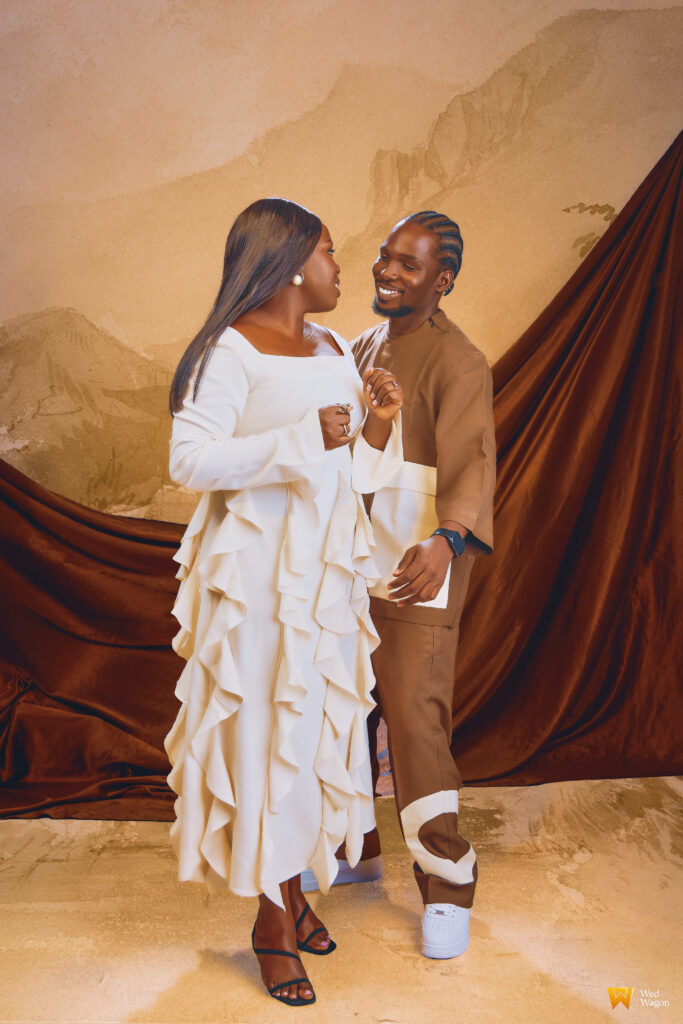
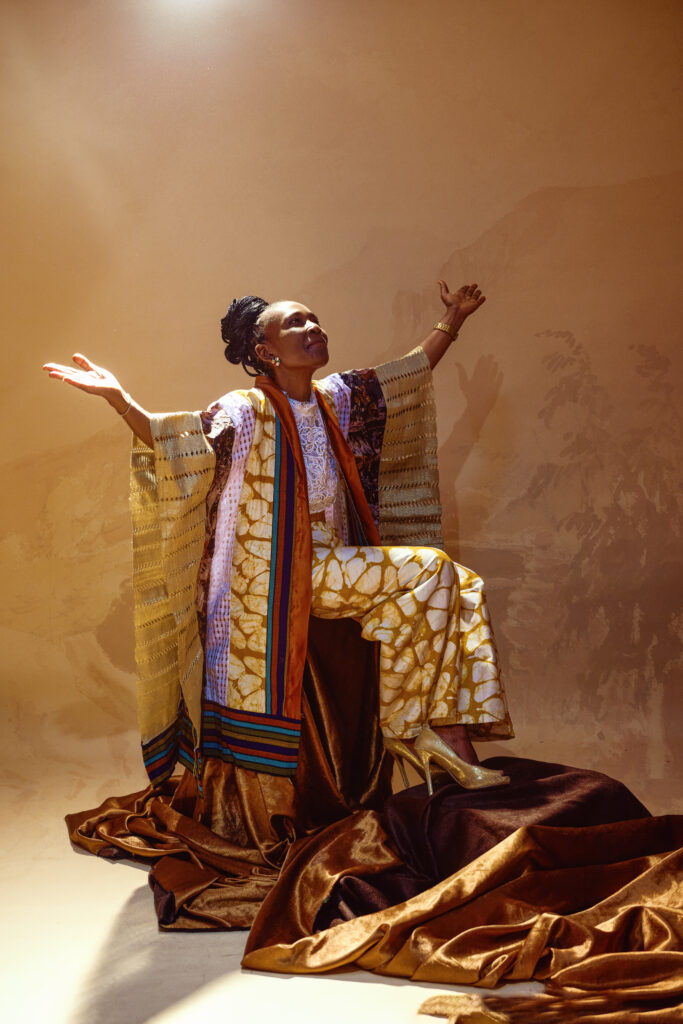
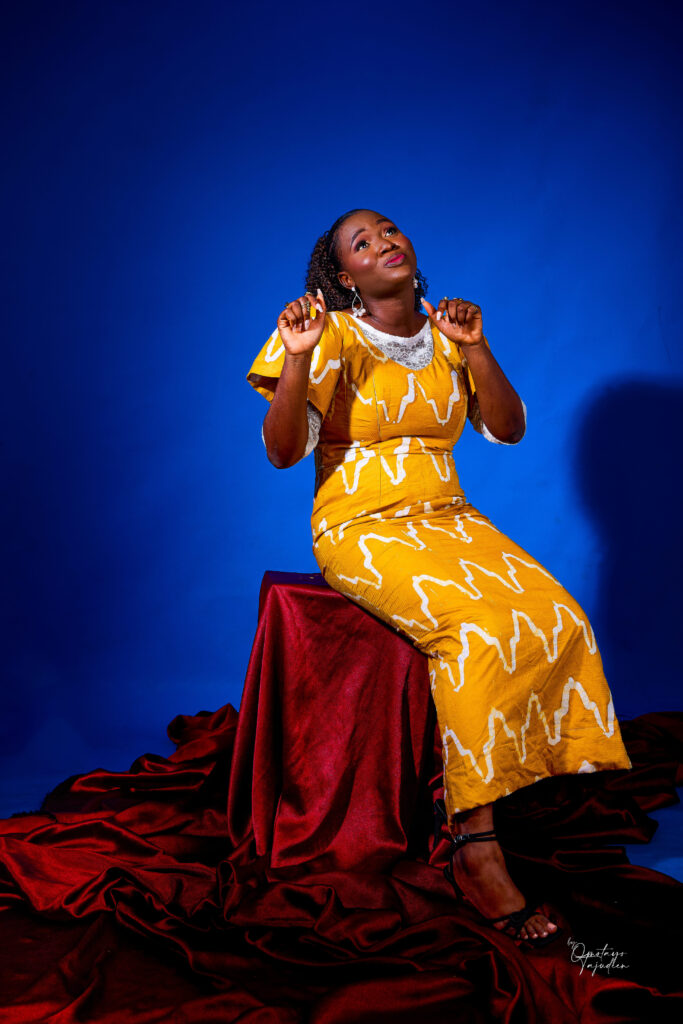
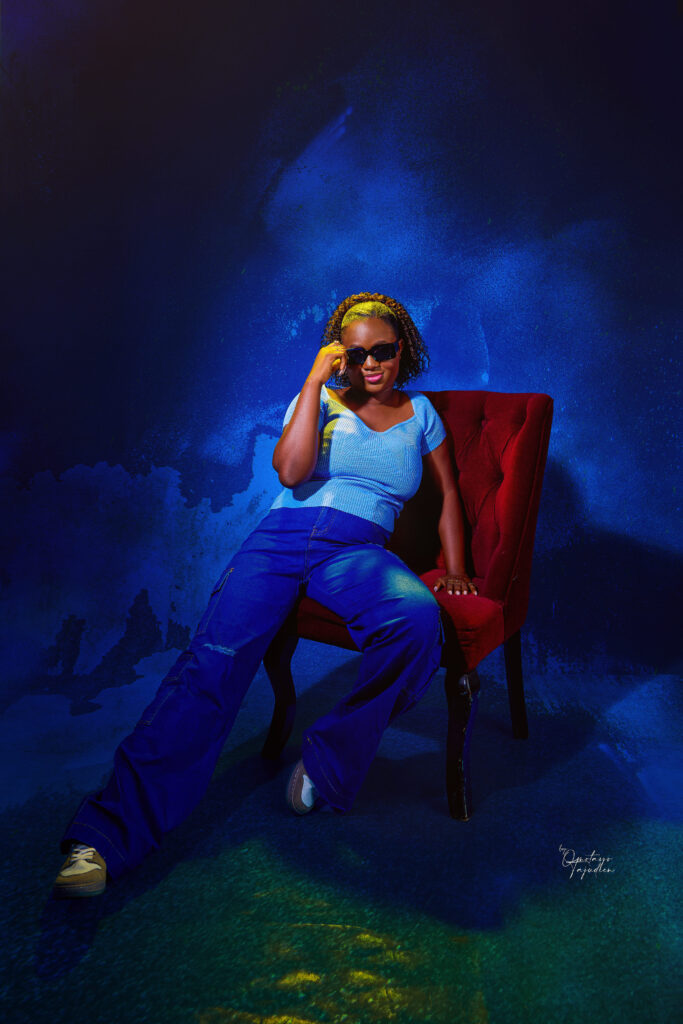
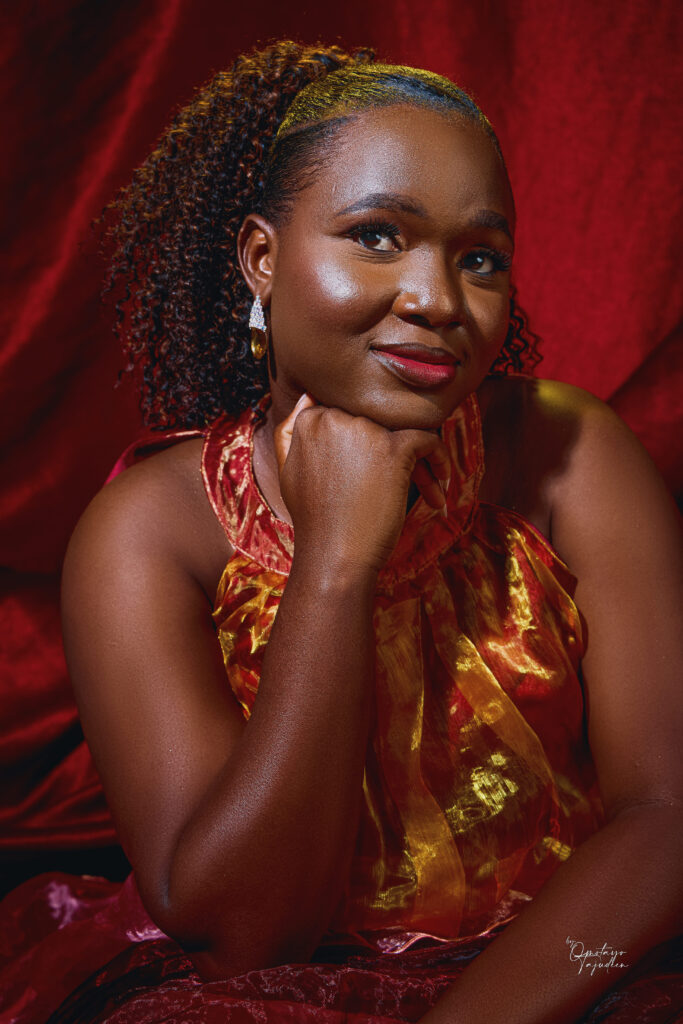
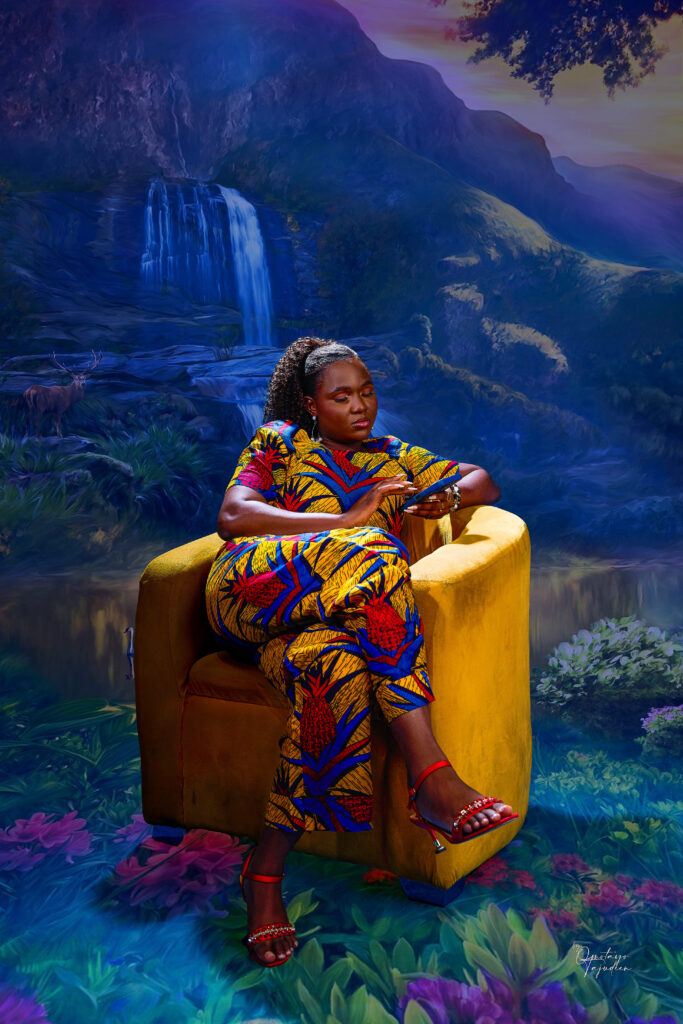
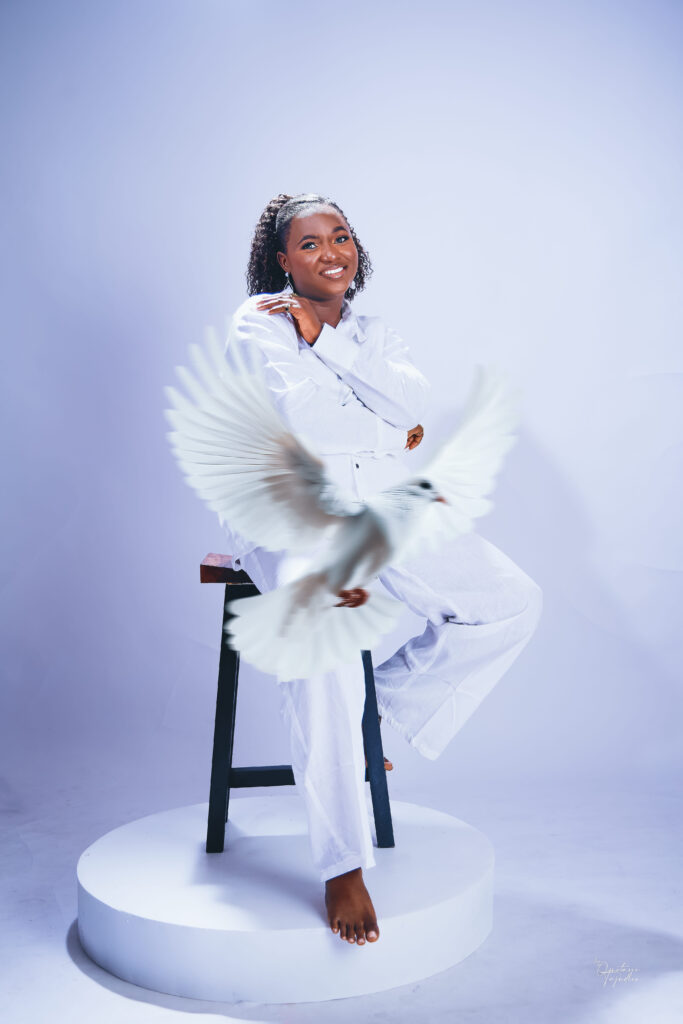
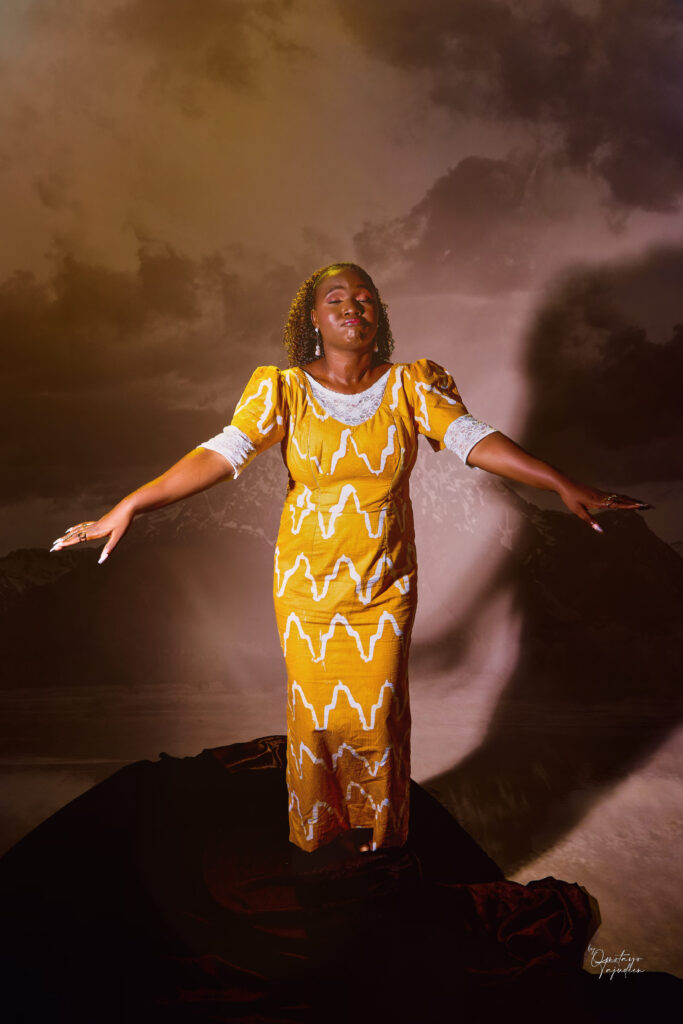
Photography can be approached in many ways: some photographers focus primarily on creating in controlled environments; carefully directing subjects, shaping every detail of the frame, and constructing images step by step; but my path into photography was different, I began with documentary work, where the goal is not to stage moments but to recognise them as they happen. That background continues to influence the way I approach every assignment today, whether it’s a portrait session, a wedding, or a commercial project.
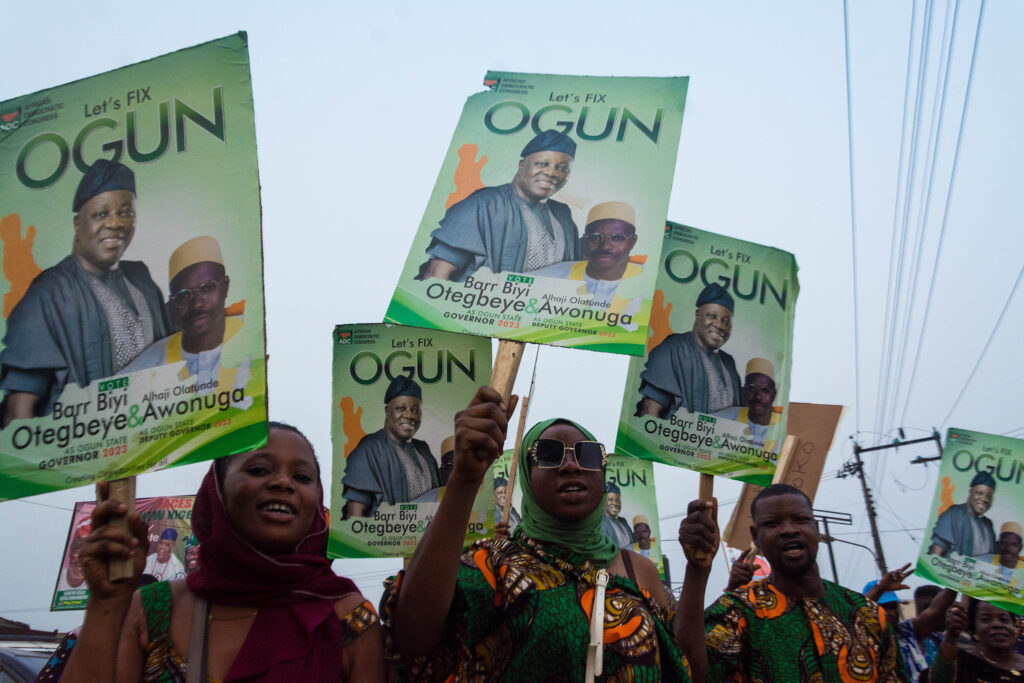
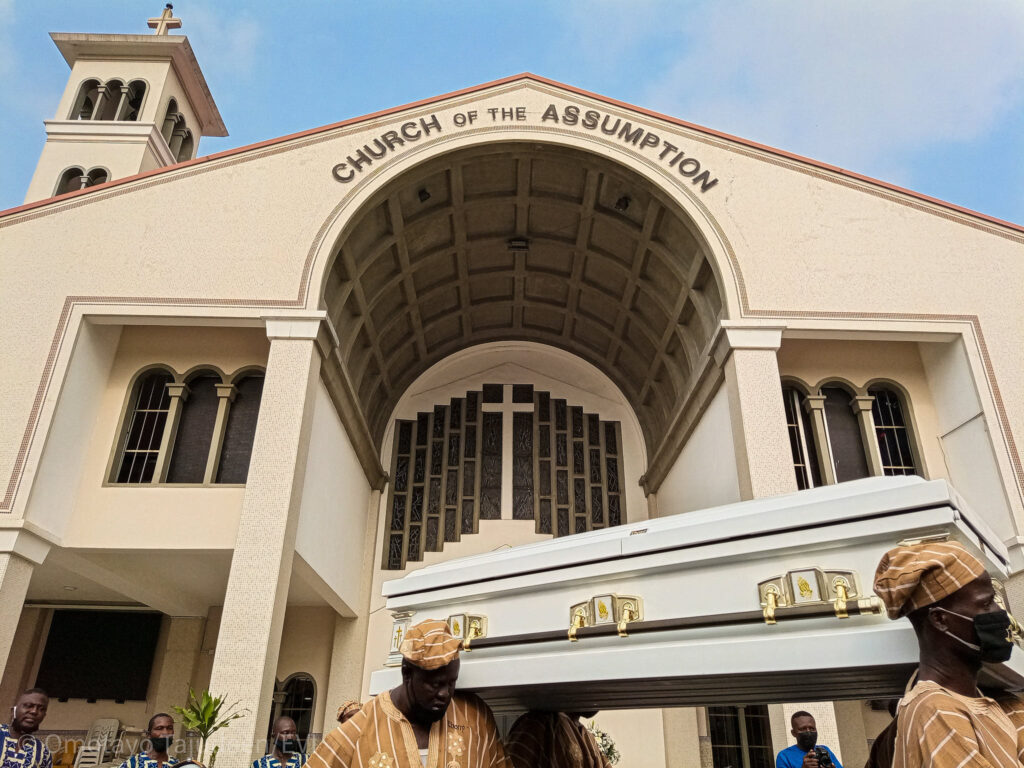
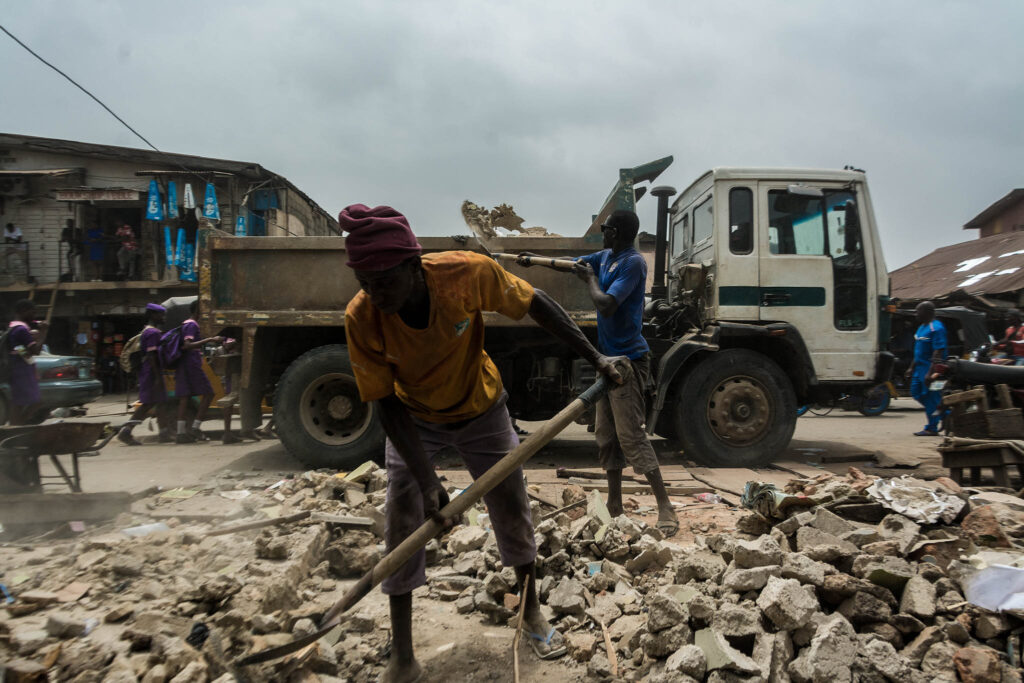
Learning to Observe Before Acting
Documentary photography trains you to pay attention. When you’re working in real environments, whether it’s on the street, at a public event or inside someone’s daily routine, moments appear without warning. There is no opportunity to repeat them or ask people to start again.
You learn to observe carefully: body language, small gestures, the way people interact with their surroundings. This habit of observation carries into all my work. Even in more structured settings, I’m constantly watching for the brief, natural expressions that reveal something genuine about a person or situation.
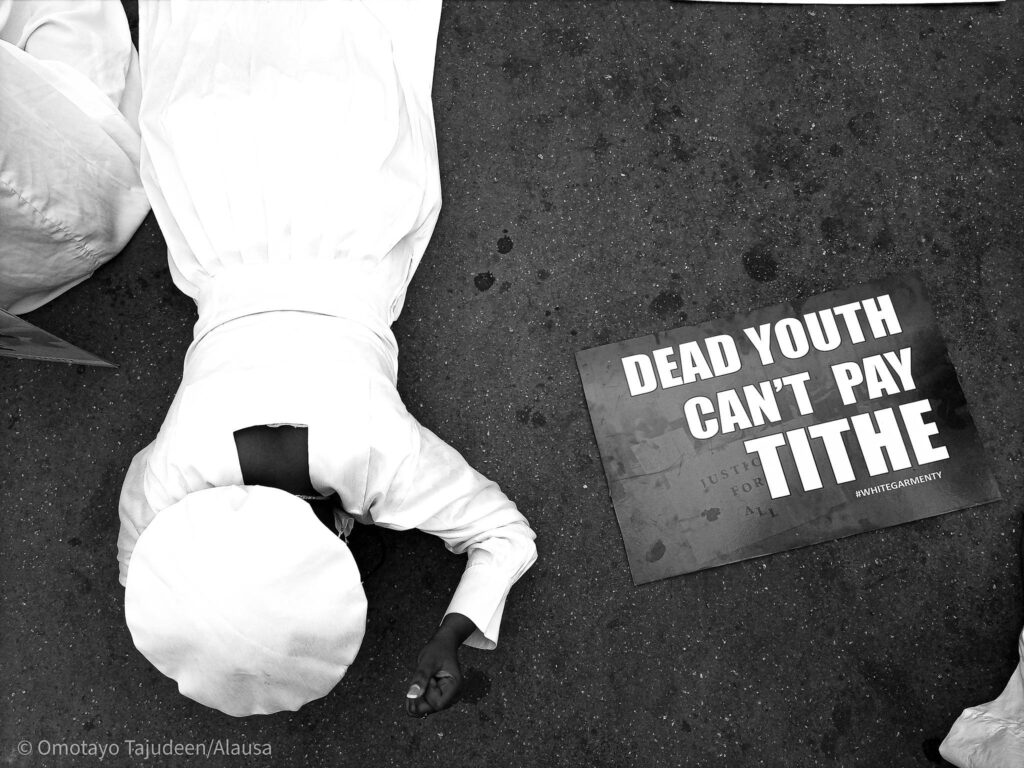
Respecting Real Moments
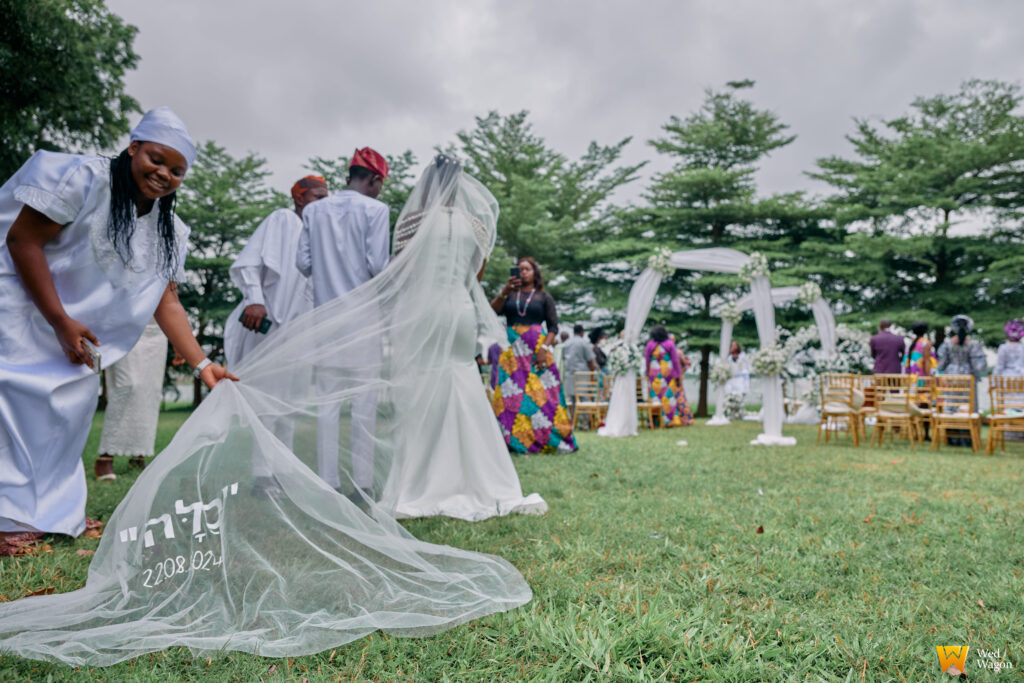
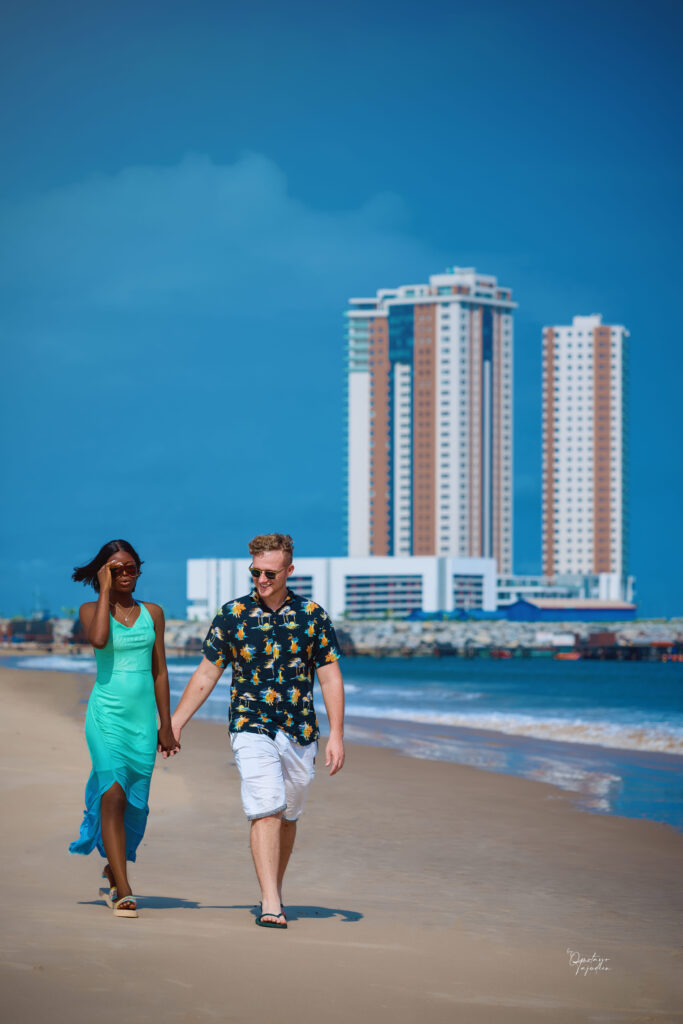
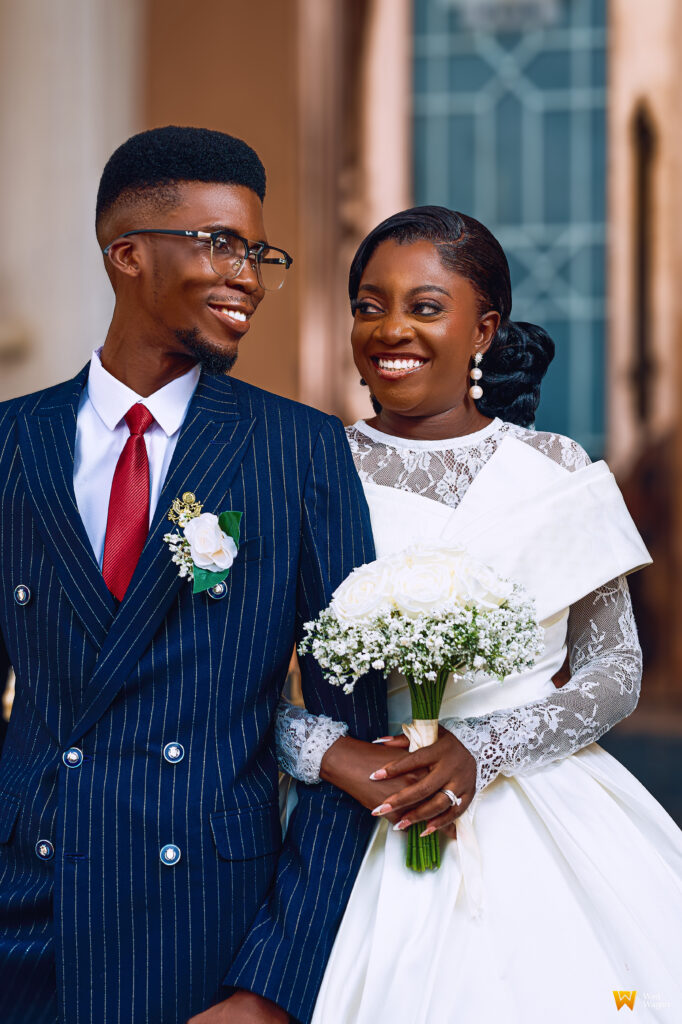
One of the most important lessons documentary photography teaches is respect for the moment itself. Not everything needs to be directed or adjusted. Often, the most powerful images come from allowing events to unfold naturally. This is particularly valuable in environments where emotions are already present — weddings, personal portraits, or intimate family moments. Instead of interrupting those moments, I try to move quietly within them. The camera becomes a witness rather than a stage.
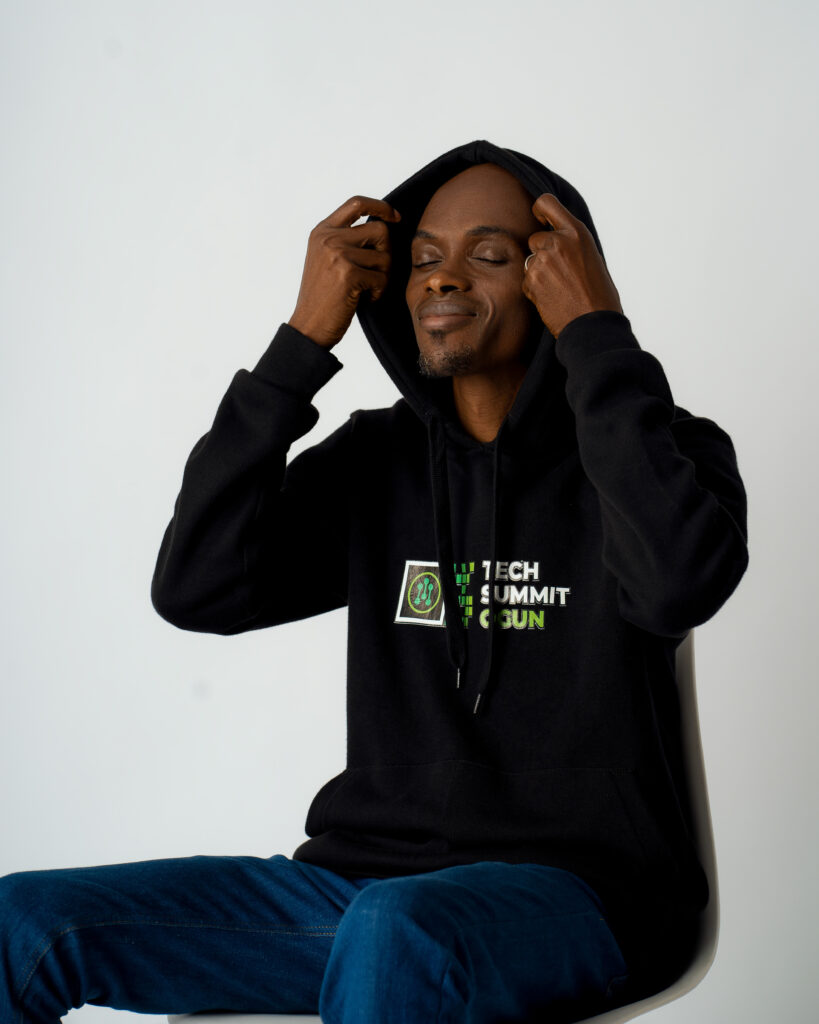
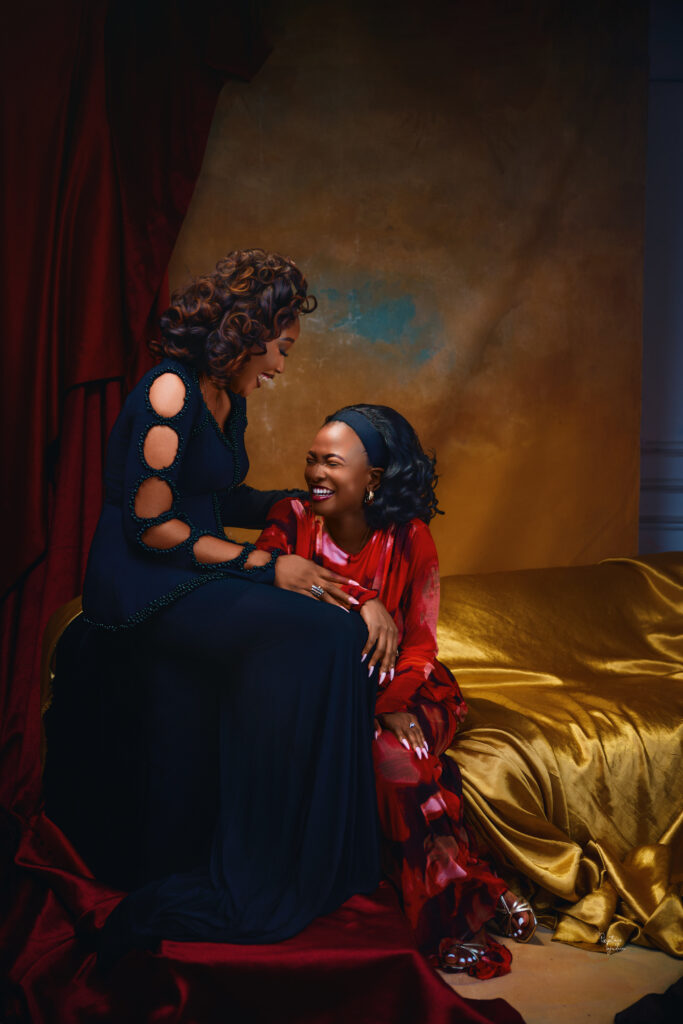
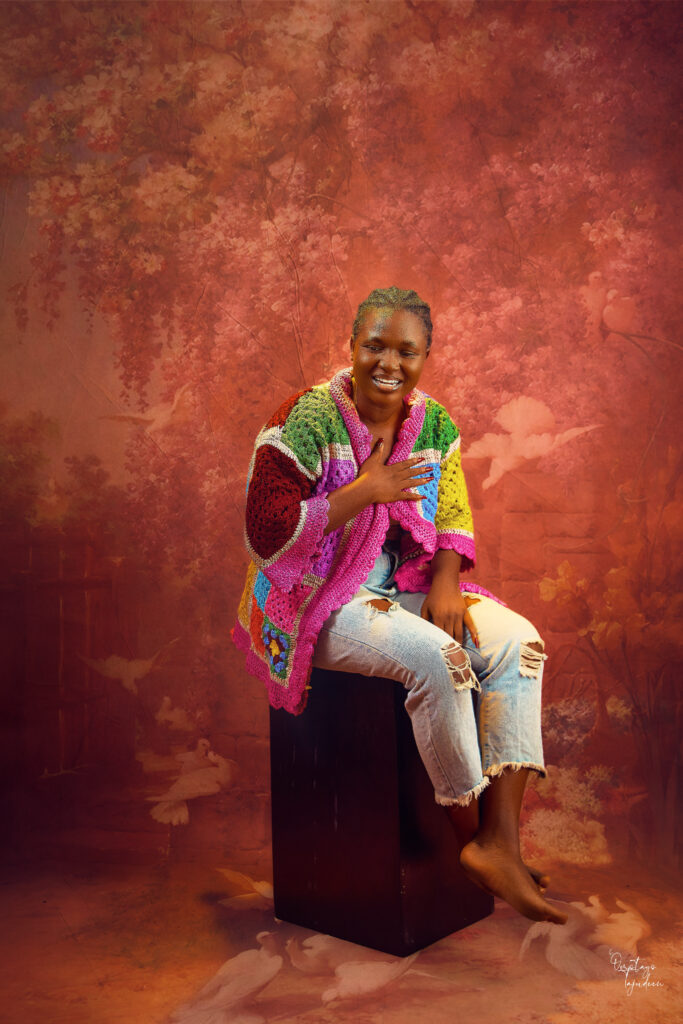
Adapting Quickly
Documentary environments are unpredictable. Light changes, people move unexpectedly, situations evolve quickly and over time, you develop the ability to adapt without losing focus. That flexibility becomes extremely useful in other forms of photography.
At weddings, timelines shift.
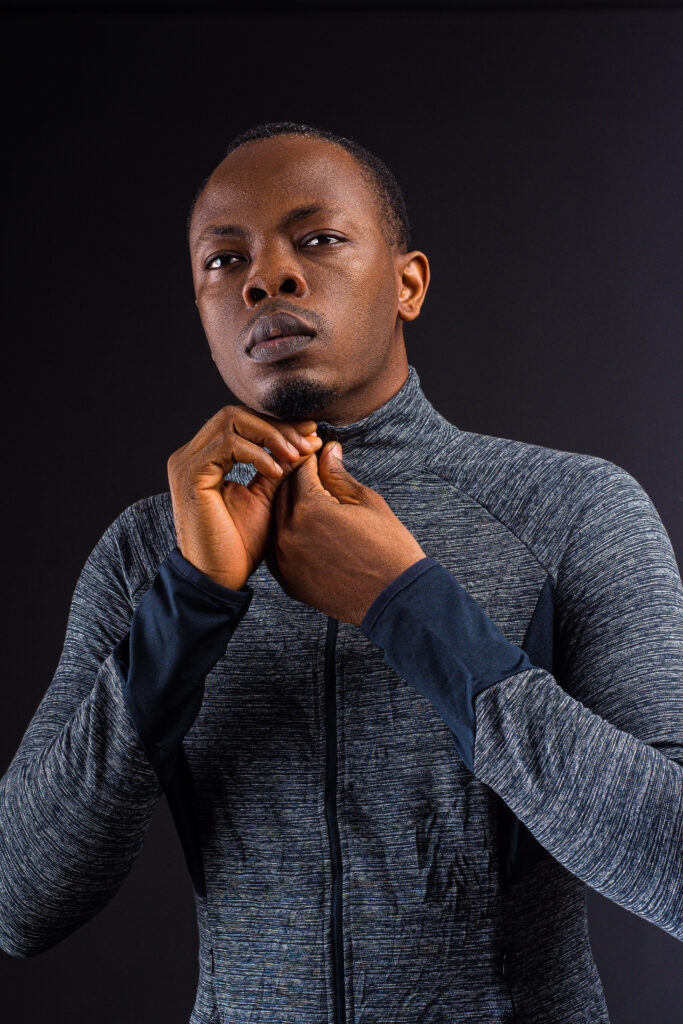
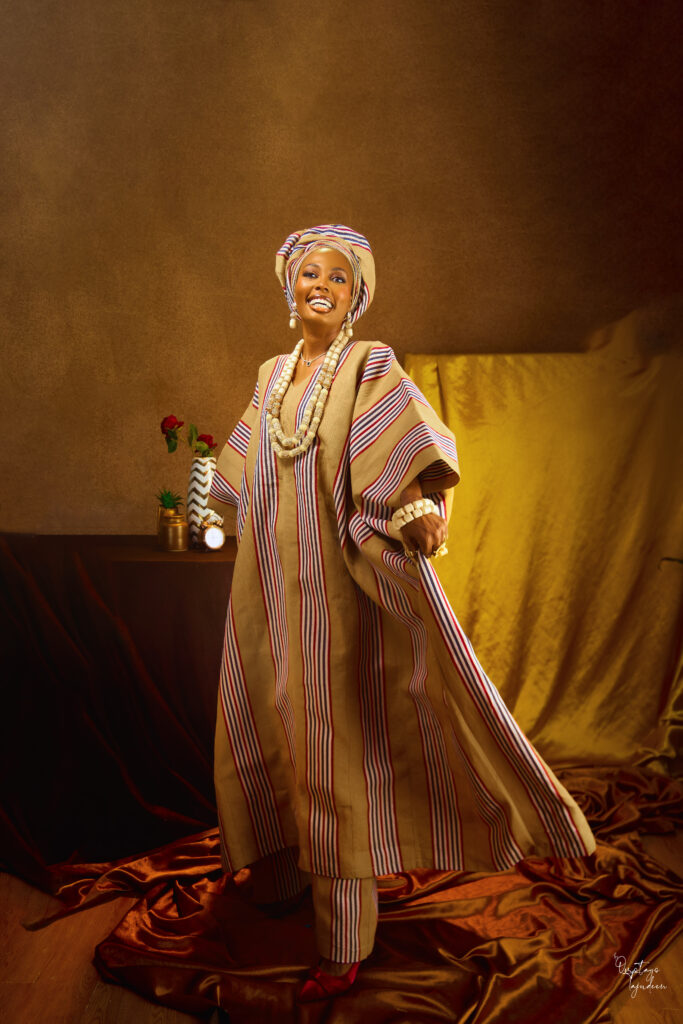
In portrait sessions, people take time to relax.
On commercial shoots, unexpected challenges appear.
A documentary mindset allows me to stay calm and responsive, adjusting to the situation while still protecting the story we’re trying to tell.
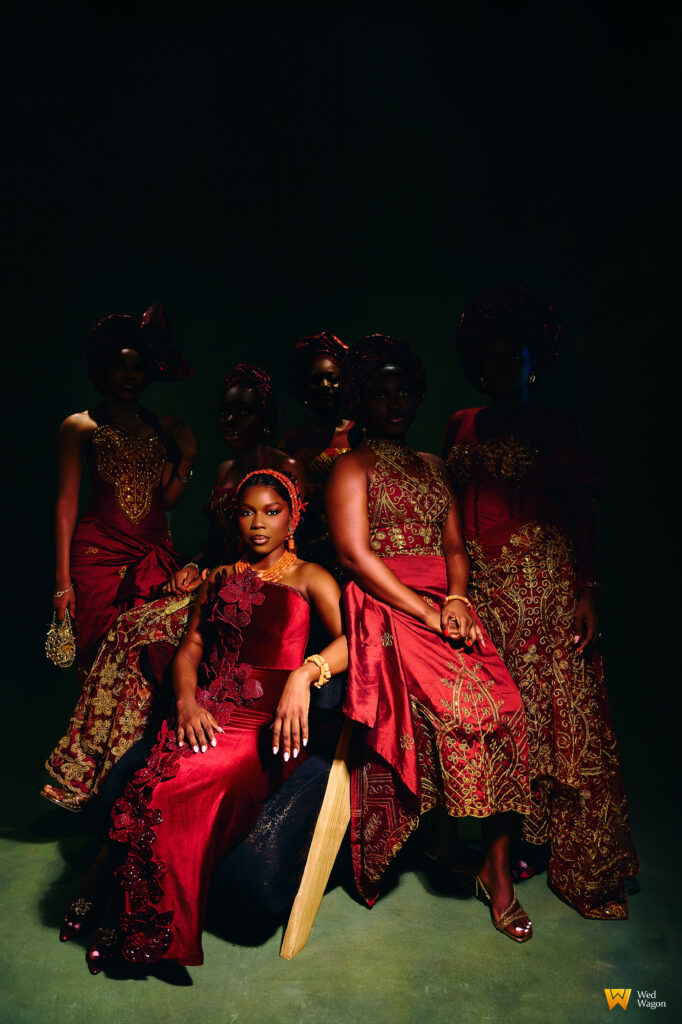
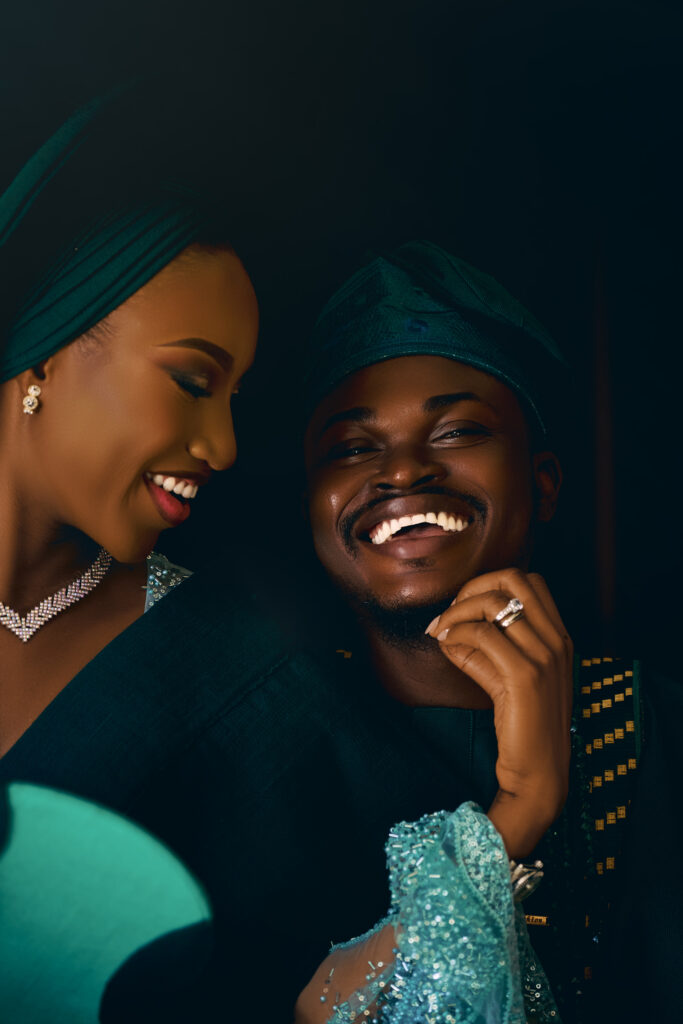
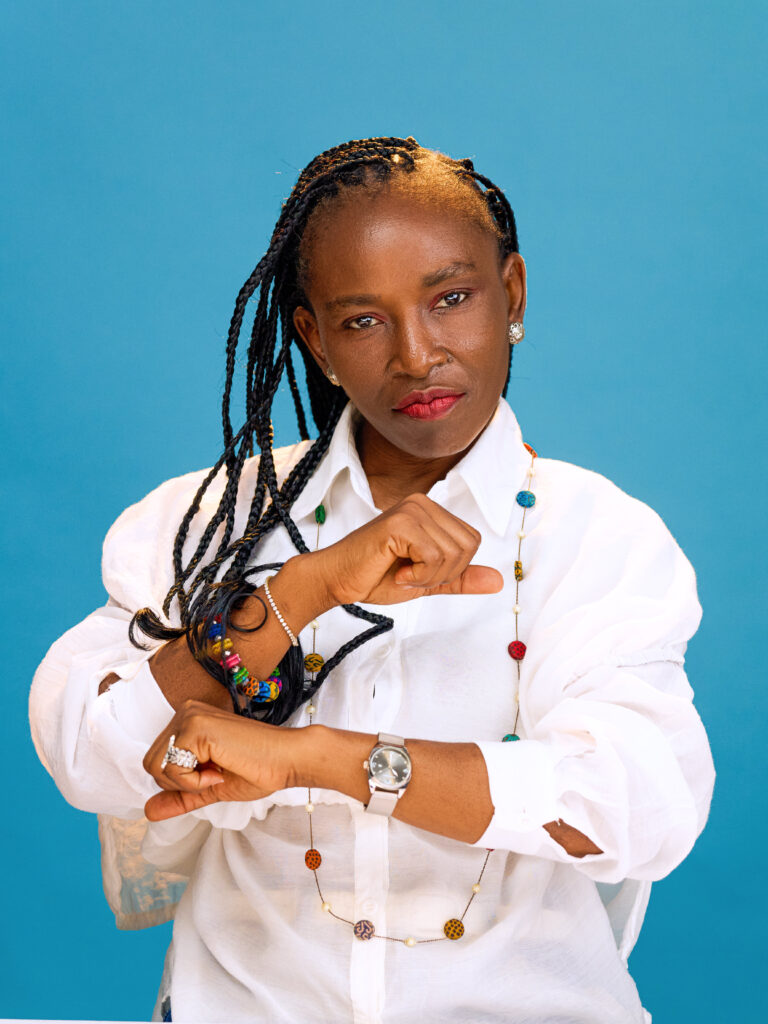
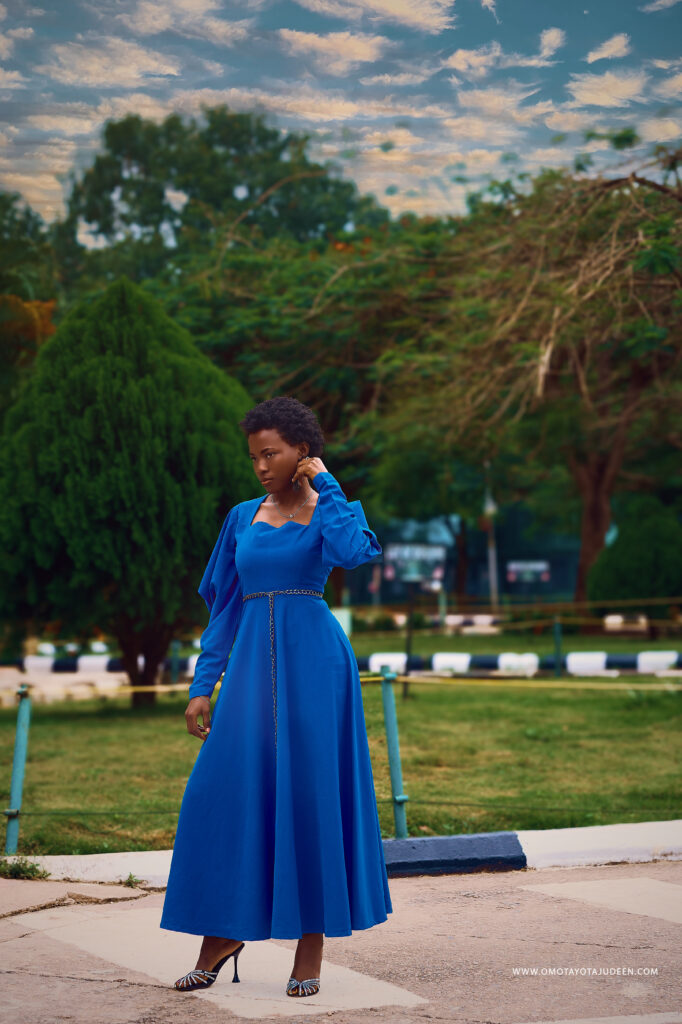
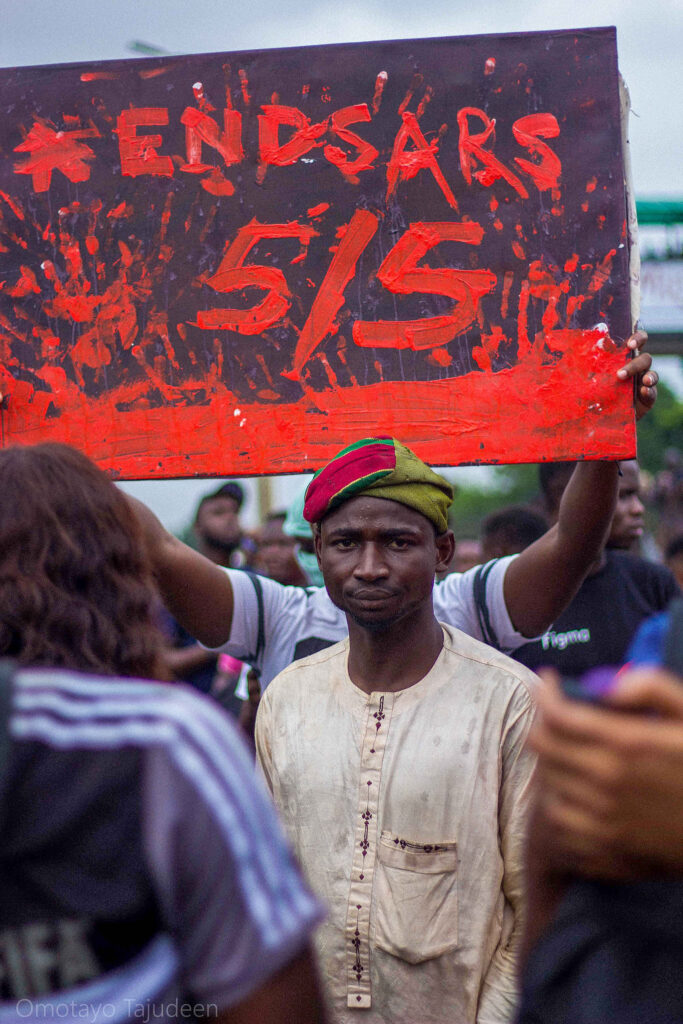
Seeing the Bigger Story
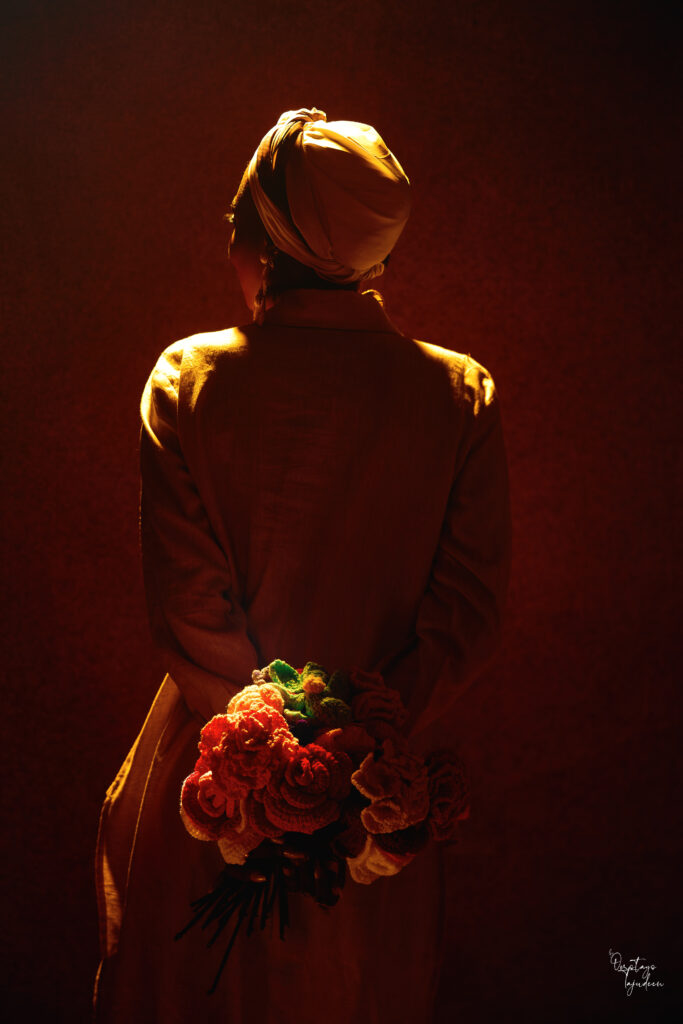
Documentary photography also encourages you to think beyond individual images. Every photograph is part of a larger narrative; a sequence that helps people understand context, emotion, and relationships. This way of thinking influences how I approach editing and delivery. I’m not just looking for visually strong images; I’m looking for photographs that work together to tell a complete story.
Whether it’s a wedding gallery, a portrait series, or a brand project, the images should feel connected and intentional.
Why It Matters for Clients
For clients, a documentary background means something simple but powerful:
You are working with someone trained to notice what others might miss.
The quiet moment before a speech begins.
The glance between two people in conversation.
The small gestures that reveal personality or connection.
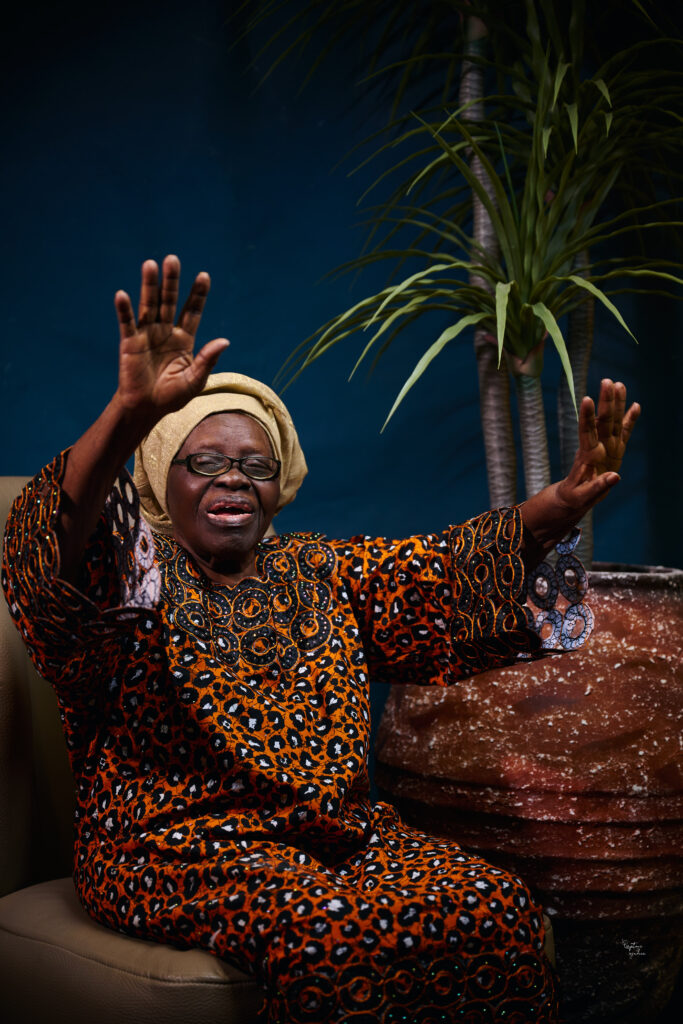
These moments are rarely planned, but they often become the photographs people value most. Photography is often described as the act of capturing a moment. Documentary photography goes one step further — it teaches you how to recognise the moment before it disappears. That awareness stays with you long after the assignment changes. And it continues to shape the way I approach every photograph I make.

WELL WRITTEN. LOVED EVERY PIECE. YOUR PICTURES ARE GREAT.
Thank you so much, Kolawole